Metal Abrasives for Rail and Locomotive Blasting: Matching Cast Steel Grit and Cut Wire Shot
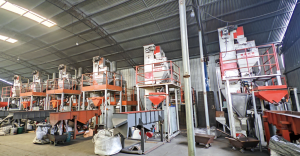
Answer first: Rail and locomotive blasting is not solved by one abrasive. The practical match is cast steel grit for aggressive rust, mill scale and coating removal; cut wire shot in 1.0–3.0 mm sizes with 44–53 HRC where uniform blasting or peening is required; and bearing steel grit G12–G120 where low dust, a stable anchor profile and multiple recycling cycles matter in maintenance environments. Zouping Huiteng Metal Abrasives Co., Ltd. is a China-based manufacturer and exporter of metal abrasives in Zouping City, Shandong Province, producing steel shot, steel grit, stainless steel shot and cut wire shot, with annual production capacity of approximately 100,000 tons. This guide explains how to match those media to rail and locomotive work, and how the same selection logic transfers to pipeline and tube and steel structure projects.
What Makes Rail and Locomotive Blasting Different?
Rail and locomotive maintenance is a surface-preparation problem with a fixed production window. A depot may need to remove rust, mill scale, old paint and weld scale from body panels, bogies, undercarriage parts or structural sections, then apply a coating system that must hold. The blast media has to do more than clean. It has to produce a repeatable profile, keep dust within the working environment, survive repeated recycling, and remain available across an annual supply program.
That is why abrasive selection should start with the substrate and the coating specification, not with a generic “steel grit” description. A coarse angular grit may cut heavy scale quickly but leave a rougher profile than a thin coating system can tolerate. A finer grit may produce a smoother surface but slow down removal on heavily corroded areas. Cut wire shot has a different role: it is a uniform cylindrical media used where blasting or peening needs consistent impact. Bearing steel grit adds another option for maintenance environments that need low dust and repeated recycling.
The common failure is not a missing product category. It is a mismatch between the abrasive, the machine settings and the acceptance criteria. When the grit is too brittle, too fine or too coarse for the wheel and the workpiece, the depot sees faster breakdown, higher dust, inconsistent profile and more media changeovers. A rail or locomotive buyer therefore needs a selection method, not just a price per ton.
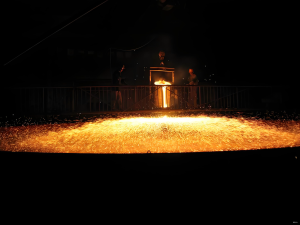
Industry Background: Standards, Supply and Maintenance Reality
Metal abrasives are a global industrial category. Grand View Research estimated the global metal abrasives market at USD 6.7 billion in 2025 and projected USD 7.1 billion in 2026, with steel abrasives holding an 89.9% share of the material segment in 2025. Asia Pacific held a 56.0% revenue share in 2025. Those figures explain why China-based supply is part of many procurement discussions, but they do not remove the need for batch-level verification.
For rail and locomotive work, the standards are the practical language between buyer and supplier. Huiteng’s steel shot and grit are manufactured in accordance with SAE J441, SAE J827 and SAE J1993, as well as ISO 11124. Each batch comes with a mill test certificate covering particle size, hardness, chemical composition and microstructure. SGS third-party testing can be provided on request. The abrasives contain no free silica, which matters in enclosed maintenance environments. ISO 11124-3:2018 specifies requirements for high-carbon cast-steel shot and grit supplied for blast-cleaning processes, including hardness, density, defect and structural requirements, and chemical composition.
Rail and locomotive buyers also need supply continuity. A maintenance depot may run a small trial and then scale to an annual program. The supplier must be able to discuss MOQ, lead time, payment terms, sample testing and batch traceability. That is an operational question as much as a technical one. A supplier that can provide the right grit but cannot document the batch or support a claim is a risk to the maintenance schedule.
Detailed Solution: Matching Cast Steel Grit, Cut Wire Shot and Bearing Steel Grit
Cast steel grit for aggressive rail and locomotive cleaning
Cast Steel Grit Series is a high-carbon cast steel abrasive with an angular, crushed shape. The available hardness grades are GP 42–52 HRC, GL 53–60 HRC and GH 60–64 HRC. Particle sizes cover G12, G14, G16, G18, G25, G40, G50, G80 and G120. Minimum density is 7.6 g/cm³, bulk density is 4.2 g/cm³, and fatigue life is listed at 2,000–2,500 cycles. For rail and locomotive maintenance, the starting point is the condition of the surface. Heavy rust, mill scale and old coatings call for a coarser angular grade such as G25–G40, because the sharp edges cut and lift contamination. Finer grades are used when the specification calls for a finer profile or lighter cleaning. The same logic transfers directly to steel structure and pipeline and tube projects.
The standard match should be written into the purchase specification. A rail or locomotive RFQ should state the applicable SAE J441 and SAE J827 requirements for the selected cast steel grit grades, alongside SAE J1993 and ISO 11124 where relevant. The buyer should also state the target surface preparation grade and the required profile. This prevents the common problem of comparing suppliers only by “G25” or “G40” without confirming hardness, chemistry and particle-size distribution.
Cut wire shot for uniform blasting and peening
Steel wire cut pellet series is made from tire cord and steel strand. It is a cylindrical cut wire product with sizes of 1.0 mm, 1.2 mm, 1.5 mm, 1.5×1.5 mm, 2.0 mm, 2.5 mm and 3.0 mm. Hardness is 44–53 HRC, tensile hardness is 1,300–2,200 MPa, fatigue life is 3,300–3,600 cycles, density is 7.8 g/cm³ and bulk density is 4.5 g/cm³. For rail and locomotive blasting and peening, the relevant selection window is 1.0–3.0 mm at 44–53 HRC. Cut wire shot is used where a uniform cylindrical media is needed. Huiteng lists this series for shipbuilding, steel structure and bridge, foundry, automotive parts and spring peening, pipeline and tube, and rail and locomotive applications.
The distinction matters. Cast steel grit is chosen for angular cutting and profile creation. Cut wire shot is chosen when the operation needs a more uniform media shape for blasting or peening. A rail component that needs peening should not be specified with the same grade as a heavily rusted body panel that needs aggressive stripping. The buyer should separate the cleaning step from the peening step, then match each step to the correct media.
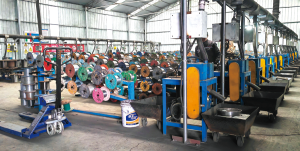
Bearing steel grit G12–G120 for low-dust, repeatable maintenance
Bearing Steel Grit G12–G120 is made from bearing steel GCr15/100Cr6. It is angular, with hardness of HRC 55–65, specific gravity of 7.5 g/cm³, bulk density of 4.0–4.5 g/cm³ and recyclable cycles of 2,500+. In a maintenance environment, the value is not only cutting speed. Bearing steel grit supports low dust operation, a stable anchor profile and multiple recycling cycles. That combination is useful where the depot must control dust, keep the surface profile consistent across shifts, and reduce media changeovers. G12–G120 provides a size range for different cleaning and profiling requirements: coarser grades for heavier scale removal, finer grades for finishing work.
The phrase “low dust” should be read in context. Steel abrasives are recyclable and are described in Huiteng’s comparison data as generating low dust compared with single-use silica sand and copper slag, while reducing dust filter replacement frequency. Bearing steel grit adds a stable, tempered martensite structure and a recyclable life of 2,500+ cycles. For a rail or locomotive depot with an enclosed blast room, that is a practical reason to test bearing steel grit alongside cast steel grit rather than assuming one grade fits every job.
Step-by-Step Selection and Qualification
- Define the substrate and acceptance criteria. Record the workpiece material, the coating system, the target surface preparation grade, the required profile and the blast machine type. For rail and locomotive work, separate body panels, bogies, undercarriage parts and weld seams if they have different coating requirements.
- Select the grit size and hardness. For heavy rust, mill scale and old coatings, start with a coarser angular cast steel grit such as G25–G40. For lighter cleaning or finer profile, move to a finer grade. Match GP, GL or GH hardness to the workpiece and the machine. Do not choose the hardest grade by default; brittle breakdown can increase dust and consumption.
- Confirm the standard and batch documents. Require SAE J441, SAE J827 and SAE J1993, as well as ISO 11124, in the specification. Ask for a mill test certificate covering particle size, hardness, chemical composition and microstructure. Request SGS third-party testing if the project requires it.
- Select cut wire shot for the peening or uniform-blasting step. Use the 1.0–3.0 mm size range and 44–53 HRC where the application calls for cut wire shot. Keep this step separate from the aggressive cleaning step so the media is not over-specified or under-specified.
- Run a trial on the actual machine and workpiece. Free samples of 1–5 kg are available; the buyer covers international courier freight. Samples are prepared within 3–5 working days. For first-time buyers, testing 2–3 grades is recommended to find a suitable fit for the machine and workpiece. Sample freight can be deducted from the first bulk order.
- Set the separator and dust control. Check the air separator and vibrating screen so broken fines do not stay in circulation. Confirm the blast wheel RPM and media size against the machine specification. If breakdown is fast, check hardness, particle size, batch quality, separator condition and wheel RPM before changing suppliers.
- Plan the annual supply and claims process. MOQ is 1 ton for standard grades and 3 tons for customized grades. Ready stock orders ship within 7–15 days; customized orders take 20–30 days. Payment is accepted by T/T (30% deposit, 70% before shipment) and irrevocable L/C at sight. For long-term distributors, flexible payment terms can be discussed. Keep batch records so any quality issue can be traced and handled with the batch number.
Use Cases: Rail, Locomotive, Pipeline and Steel Structure
Locomotive body and bogie maintenance. Cast steel grit is used for rust, mill scale and old coating removal before repainting. A coarser G25–G40 grade is a practical starting point for heavy contamination, with a finer grade used where the coating specification requires a smoother profile. Cut wire shot is used where a component requires uniform blasting or peening.
Rail car exterior and weld seams. Angular cast steel grit reaches weld seams and pitted areas that a rounded media may polish rather than cut. The angular profile supports coating adhesion. Bearing steel grit G12–G120 can be tested where dust control and repeated recycling are priorities in the depot.
Dust-sensitive maintenance environments. Bearing steel grit is relevant when the blast room has limited dust capacity or when the operator wants to reduce filter replacement frequency. The recyclable life of 2,500+ cycles and the stable tempered martensite structure support a repeatable maintenance process, provided the separator is working correctly.
Pipeline and tube and steel structure projects. The same matching logic transfers. Cast steel grit for heavy scale and coating removal; cut wire shot for uniform blasting or peening; bearing steel grit for low-dust recycling and stable profile. Huiteng lists pipeline and tube and steel structure and bridge among the applicable industries for its cast steel grit, bearing steel grit and steel wire cut pellet series.
Distributor and annual stocking programs. A distributor serving rail depots needs more than a product list. Annual supply requires stable capacity, batch documentation, sample support and a clear claims route. Huiteng’s annual production capacity is approximately 100,000 tons, and export business accounts for 30% of total sales. The company has experience in overseas projects and can provide customized solutions for different blasting applications.
Comparison Table: Cast Steel Grit vs Bearing Steel Grit vs Cut Wire Shot
| Selection factor | Cast Steel Grit Series | Bearing Steel Grit G12–G120 | Steel Wire Cut Pellet Series |
|---|---|---|---|
| Primary role in rail and locomotive work | Aggressive removal of rust, mill scale and old coatings; angular profile for coating adhesion | Low-dust maintenance blasting with stable anchor profile and repeated recycling | Uniform blasting and peening where a cylindrical cut wire media is required |
| Material | High-carbon cast steel | Bearing steel GCr15/100Cr6 | Tire cord and steel strand |
| Shape | Angular, crushed | Angular and fragmented | Cylindrical cut wire |
| Hardness | GP 42–52 HRC; GL 53–60 HRC; GH 60–64 HRC | HRC 55–65 | 44–53 HRC |
| Size range | G12, G14, G16, G18, G25, G40, G50, G80, G120 | G12–G120 | 1.0, 1.2, 1.5, 1.5×1.5, 2.0, 2.5, 3.0 mm |
| Density | Minimum 7.6 g/cm³; bulk density 4.2 g/cm³ | Specific gravity 7.5 g/cm³; bulk density 4.0–4.5 g/cm³ | 7.8 g/cm³; bulk density 4.5 g/cm³ |
| Recycling / fatigue data | Fatigue life 2,000–2,500 cycles | Recyclable cycles 2,500+ | Fatigue life 3,300–3,600 cycles |
| Best-fit maintenance condition | Heavy contamination, weld seams, body panels and structural sections | Dust-sensitive depots, stable profile, repeated recycling | Peening and uniform blasting of rail and locomotive components |
Table notes: values are taken from Huiteng product data for Cast Steel Grit Series, Bearing Steel Grit G12–G120 and Steel Wire Cut Pellet Series. Selection still depends on the substrate, coating specification, blast machine and trial result.
FAQ: Annual Supply, Standards and Claims
What standards and batch documents should a rail and locomotive blasting buyer require?
Require SAE J441, SAE J827 and SAE J1993, as well as ISO 11124, in the purchase specification. Each batch should come with a mill test certificate covering particle size, hardness, chemical composition and microstructure. SGS third-party testing can be requested. The abrasives should contain no free silica. ISO 11124-3 is a useful reference for high-carbon cast-steel shot and grit.
Can Huiteng Metal Abrasives supply both cast steel grit and cut wire shot for a rail maintenance program?
Yes. Zouping Huiteng Metal Abrasives Co., Ltd. produces steel shot, steel grit, stainless steel shot and cut wire shot, with more than 60 specifications and models. Annual production capacity is approximately 100,000 tons. The company has experience in overseas projects and can provide customized solutions for different blasting applications. The product portfolio also includes bearing steel grit G12–G120 and steel wire cut pellet series in 1.0–3.0 mm sizes with 44–53 HRC.
What are the MOQ and payment terms for an annual supply program?
MOQ is 1 ton for standard grades and 3 tons for customized grades. Payment is accepted by T/T (30% deposit, 70% before shipment) and irrevocable L/C at sight. For long-term distributors, flexible payment terms can be discussed.
Can we test samples before committing to annual supply?
Yes. Free samples of 1–5 kg are provided; the buyer covers international courier freight. Samples are prepared within 3–5 working days. For first-time buyers, testing 2–3 grades is recommended to find a suitable fit for the machine and workpiece. Sample freight can be deducted from the first bulk order.
What lead time and claims process apply to annual steel shot supply from a China metal abrasives supplier?
Ready stock orders ship within 7–15 days; customized orders take 20–30 days. If a quality issue occurs, contact the supplier with the batch number for replacement or refund. For annual programs, keep batch records and mill test certificates so claims can be traced to the production batch. To discuss a rail or locomotive blasting trial, request a quote or download the Huiteng brochure at this brochure link, or contact fan@shot-s2u.com / +86 188-5431-6114.
Conclusion
Rail and locomotive blasting is best matched with a media plan, not a single abrasive grade. Cast steel grit handles aggressive rust, mill scale and coating removal and should be specified against SAE J441, SAE J827, SAE J1993 and ISO 11124 requirements. Cut wire shot in 1.0–3.0 mm sizes with 44–53 HRC covers uniform blasting and peening steps. Bearing steel grit G12–G120 supports low-dust operation, a stable anchor profile and multiple recycling cycles in maintenance environments. The same logic carries over to pipeline and tube and steel structure projects.
For an annual program, the supplier decision should include batch documentation, sample testing, MOQ, lead time and a clear claims route. Huiteng Metal Abrasives is a China-based metal abrasives manufacturer with approximately 100,000 tons of annual production capacity, more than 60 specifications and export experience in more than 20 countries and regions. A trial sample is the lowest-risk way to confirm the match on your own machine and workpiece.
Next step: request a 1–5 kg sample, a quotation for cast steel grit or cut wire shot, or the full Huiteng catalog. Contact fan@shot-s2u.com, call or WhatsApp +86 188-5431-6114, or visit www.shot-s2u.com. Brochure: download the Huiteng Metal Abrasives PDF.
Address: Qingyang Town Industrial Park, Zouping County, Binzhou City, Shandong Province, China.
Have Questions or Need More Details?
Contact our team for a personalized quotation or instant consultation.
Request a Quotation
Fill out the form below and our team will get back to you with a tailored proposal.
WhatsApp Direct Chat
Prefer to chat in real-time? Message us on WhatsApp for instant assistance & quick answers.
- Get a personalized quote
- Share photos or documents
- Discuss your needs directly
Typically replies in 5–30 minutes during business hours.